Applications Of Steel Fabrication Across Industries
Steel fabrication is one of the most adaptable and widely used capabilities in modern industrial work. Its strength, versatility and custom-build potential allow it to suit countless environments, from building sites and agricultural operations to commercial structures and heavy vehicles. When people ask, “What is steel fabrication?” the simplest answer is that it is the process of shaping, cutting, welding, and assembling steel into practical components that meet the specific needs of various industries. Every application, whether small or large, depends on accuracy, engineering insight and the ability to customise steel to different conditions. This article examines the role of the craft in various sectors and why its value continues to increase across Australia.
How Steel Shapes the Backbone of Modern Construction
Steel remains a foundation of the construction sector due to its high strength-to-weight ratio, design flexibility and reliability under load. Fabricators produce beams, columns, trusses, staircases and architectural elements that help create strong structural frameworks. These components are often manufactured off-site, allowing faster installation, greater accuracy and reduced downtime on construction projects. Custom fabrication ensures each element meets engineering specifications, providing both structural confidence and visual consistency. Steel’s adaptability also supports modern architectural design, where clean lines and open spans are often required. Across large commercial developments and smaller projects, fabricated steel allows builders to work efficiently and maintain strict quality standards.
- Structural beams and columns tailored to engineered specifications.
- Stairs, walkways and architectural steel elements for interiors and exteriors.
- Pre-fabricated components that speed up site installation.
Precision Steel Fabrication for Agricultural Machinery and Infrastructure
Agriculture relies heavily on fabricated steel due to its resilience to weather, impact, and daily wear. Farmers require components that can withstand exposure to the elements, demanding workloads, and unpredictable environments. Fabricators create machinery frames, feed systems, fencing, gates, sheds, storage structures and equipment parts that stay reliable under pressure. Galvanised and treated finishes help protect steel against corrosion, improving longevity. Precise welding and cutting techniques ensure every part fits the machinery or structure it is designed for. Steel fabrication Dubbo is often used to upgrade or replace worn farm components, keeping operations running smoothly and reducing downtime during busy seasons.
- Frames and components for tractors, harvesters and machinery.
- Livestock enclosures, gates and feeding infrastructure.
- Rural storage, sheds and crop-handling structures.
Why Transport and Heavy Vehicles Depend on Custom Steel Work
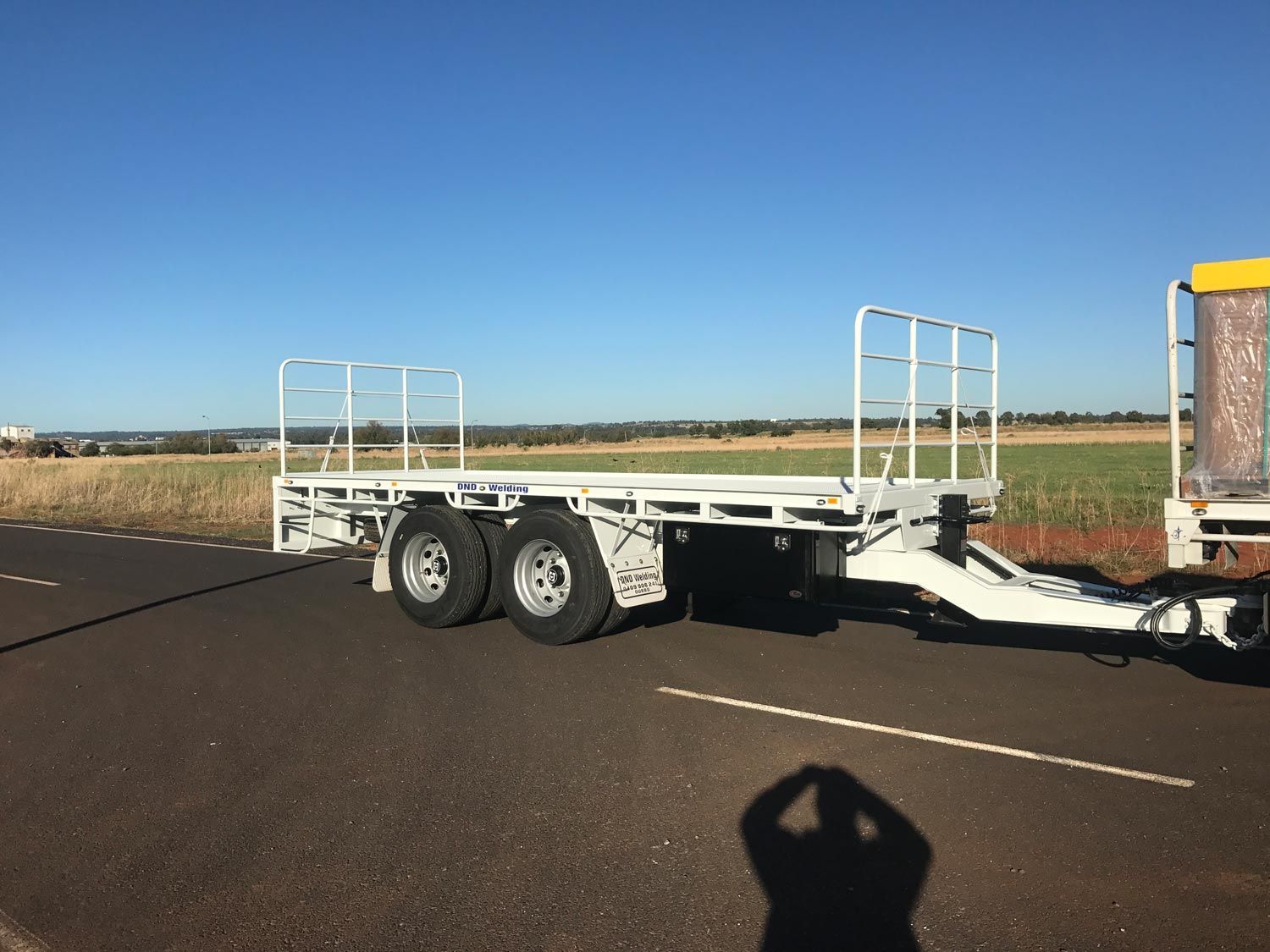
Transport operators rely on strong, durable and safe components, especially when moving heavy loads or operating in harsh conditions. Fabricated steel is used for trailers, truck bodies, ramps, guards, toolboxes, load-bearing structures and protective assemblies. These parts must handle vibration, impact, shifting loads and long-distance travel without failure. Custom fabrication enables operators to modify or reinforce equipment to suit specific tasks, routes, or payloads. Accurate welding and cutting ensure each component fits perfectly, reducing wear on vehicles and improving safety. Whether it's replacing a cracked bracket or building a custom trailer body, steel provides the reliability transport businesses need.
- Trailer frames, ramps and load-rated platforms.
- Toolboxes, barriers and protective guards for heavy vehicles.
- Reinforced components designed for high-use applications.
Steel Solutions That Support Commercial and Industrial Projects
Commercial and industrial facilities benefit from custom steel because no two work environments are the same. Warehouses, retail buildings, manufacturing plants and specialist facilities often require tailored solutions for safety, accessibility and efficiency. Fabricators produce handrails, safety barriers, platforms, mezzanine floors, storage racking, frames and fit-out elements to meet site-specific requirements. Every component must satisfy engineering, compliance and building code expectations, which is why precision fabrication is so important. In commercial settings, steel also contributes to architectural features such as screens, balustrades and decorative elements that enhance the overall design while remaining durable.
- Safety rails, barriers and site-access structures.
- Platforms, walkways and industrial frames.
- Fit-out elements customised for commercial spaces.
Tailored Steel Components for Infrastructure and Civil Works
Steel plays a crucial role in civil engineering due to its load capacity, adaptability and long-term performance. Infrastructure projects require components that can withstand weather extremes, public use and heavy service demands. Fabricators supply parts for bridges, drainage systems, retaining structures, pedestrian accessways and public-use facilities. These projects depend on precisely engineered steel that meets strict compliance requirements. Accurate fabrication ensures each piece integrates seamlessly with the broader civil structure, supporting project longevity and safety. Civil works often involve custom specifications, where the fabricator must tailor designs to fit unique site conditions or engineering constraints.
- Bridge components and structural supports.
- Drainage frames, grates and culvert structures.
- Custom load-rated assemblies for public infrastructure.
Custom Steel Fabrication for Mining and Heavy Industry Demands
Mining environments are harsh and demanding, requiring steel components that withstand abrasion, vibration, heat and heavy mechanical stress. Fabricators supply platforms, guards, brackets, structural reinforcements, machinery housing and safety systems designed for long-term performance. Specialised welding and cutting techniques are used to meet the strict requirements of mining sites, including precision tolerances and enhanced durability. Many components are produced as custom one-offs to meet unique site demands. High-wear applications often require thicker steel, reinforcements or specialist coatings to improve lifespan, helping operations maintain productivity and reduce downtime caused by equipment failures.
- Platforms, walkways and equipment guarding.
- Reinforced components for machinery and conveyors.
- Wear-resistant steel assemblies for heavy-duty environments.
Specialist Welding and Fabrication for Unique, One-Off Projects
Not all fabrication work falls into a standard category. Many industries rely on bespoke builds, prototypes or repairs that require a fabricator who can adapt designs to unique challenges. Custom fabrication provides solutions for artistic structures, engineering prototypes, machinery modifications, farm equipment repairs and specialised commercial projects. These jobs often require problem-solving, where fabricators design and produce one-off solutions that cannot be purchased off the shelf. Precision welding, forming and finishing allow steel to match complex shapes or detailed requirements. This flexibility is one of the reasons steel remains such a valuable material across multiple sectors.
- One-off builds tailored to unique project requirements.
- Repairs and modifications for machinery and equipment.
- Artistic or architectural projects requiring custom steelwork.
The Role of Advanced Fabrication Techniques in Modern Steel Projects
Modern fabrication relies on advanced tools and technology to achieve high accuracy, repeatability and quality. Techniques such as CNC cutting, laser cutting, plasma profiling, forming, bending and precision welding allow fabricators to produce complex components with minimal deviation. These capabilities support industries that require consistency, such as transport, construction and manufacturing. Advanced methods also reduce material waste and improve turnaround times, making steel fabrication more efficient. When people ask what is steel fabrication, these evolving technologies form a major part of the answer, showing how the industry continues to modernise and deliver higher-quality outcomes.
- CNC cutting for precise, repeatable shapes.
- MIG and TIG welding for strong, clean joints.
- Forming and bending for customised structural components.
We at DND Welding support projects across Dubbo with custom steel fabrication, welding, repairs and engineered components for construction, agriculture, transport and commercial applications. Whether you need new builds or modifications, our team can help bring your project to life with strong, reliable steel solutions. Visit dndwelding.com.au and call us today to discuss your requirements and get started with tailored fabrication services.