The Benefits Of Custom Stock Crates
If you’ve ever worked cattle through a set of yards that doesn’t quite “flow”, you know how quickly a normal job becomes hard work. A gate swings the wrong way. A latch jams. A panel flexes. The crate feels too tight for bigger stock or too wide for smaller mobs. It doesn’t take long before the equipment becomes the problem, not the animals.
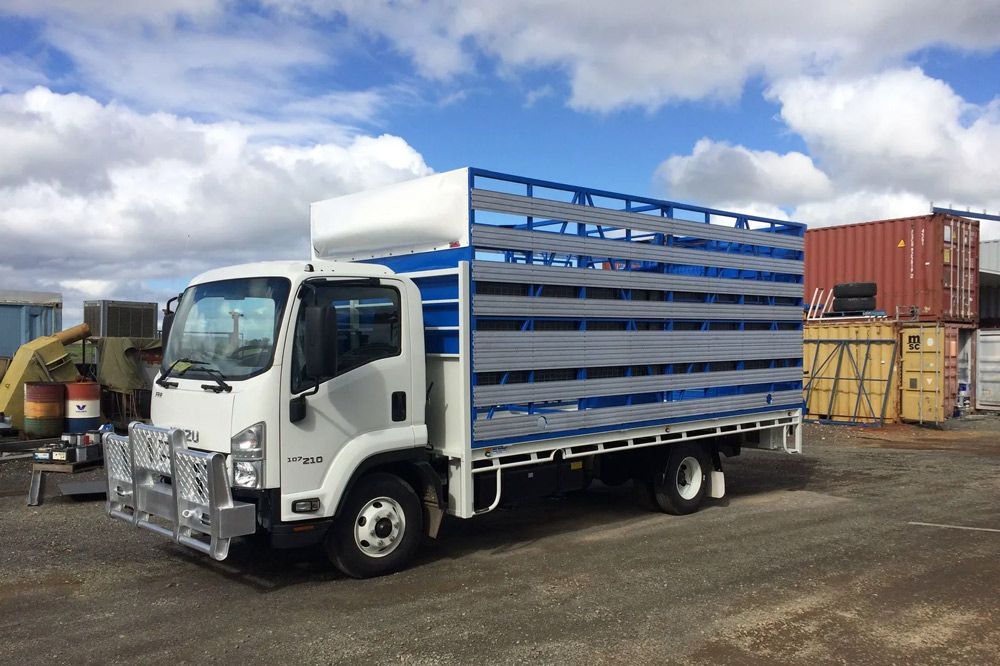
That’s where custom-built stock crates come in. Instead of forcing your operation to work around a generic design, a custom crate is designed to suit your stock, yard layout, and day-to-day handling needs. It’s a practical investment in safety, durability and efficiency, especially when equipment is used regularly and needs to hold up under pressure.
Why “Off-the-Shelf” Stock Crates Often Fall Short on Real Farms
Mass-produced crates can work for light use, but they’re often built to suit an average set-up, not your property. On farms, “average” rarely exists. Stock weight varies. Access varies. Yard layouts vary. If the crate doesn’t suit your flow, it creates strain and slows everything down.
- Generic crates can feel like a compromise on size, gate swing and handling sequence
- Lighter construction can lead to flexing, bending and latch issues with regular use
- Poor fit within your yards can create gaps or pinch points that increase risk
Custom fabrication solves this by designing around your practical needs, rather than forcing you to adapt. It’s the difference between equipment that looks fine on delivery and equipment that works every time you need it.
Built for Your Stock and Your Set-Up: Sizing, Layout and Gate Options
Custom stock crates are not just “made bigger” or “made stronger”. They’re designed with purpose. The right dimensions and layout affect animal flow, stress levels and how safely people can work around the crate. Even small design decisions, such as where a gate opens or how a latch is positioned, can significantly alter the overall experience.
- Crate width, length and internal clearance can be designed for your livestock type and average weights
- Internal layout can support better flow, including positioning for drafting or holding
- Gate styles and swing direction can suit your yard layout, access points and operator preference
The benefit is simple: fewer bottlenecks, fewer workarounds and fewer moments where animals and people end up under pressure because the equipment doesn’t suit the job.
Durability That Holds Up to Heavy Use, Weather and Movement
Rural equipment has to survive a lot. It’s moved, bumped, exposed to weather and used in high-pressure situations. Custom crates are often built with heavier materials, stronger welds and practical reinforcement that suits the way farmers work.
- Steel thickness and bracing can be selected based on the expected stock load and frequency of use
- Weld quality and construction detail matter, because weak joins are where failures start
- Protective finishes can help reduce corrosion, especially when gear sits exposed or near water points
Steel fabrication Dubbo locals trust can add real value, as local fabrication enables custom builds designed for real-world conditions, not showroom conditions.
Safer Handling for Animals and People: Reducing Stress and Injury Risk
A stock crate should support calm, controlled handling. When crates are poorly designed, animals hesitate, turn back or surge. That increases risk for both livestock and handlers. Custom crates can be designed with safety details that make a practical difference.
- Smooth finishes, rounded edges and solid panels reduce the risk of cuts and bruising
- Stronger latches and gate security reduce unexpected movement or breakage mid-job
- Better flow and visibility can reduce stress, which often reduces pushing and noise
A safer crate creates better handling conditions. When the stock moves forward without fear and handlers are not fighting equipment, the whole yard run becomes calmer and easier to manage.
Efficiency in the Yards: Faster Loading, Better Flow and Less Rework
Efficiency is not about rushing stock. It’s about removing problems that slow the job down. A custom stock crate supports consistent handling, with fewer pauses to fix gates, adjust positions or work around design limitations.
- Well-designed gate placement helps avoid stop-start movement and awkward turning points
- Flow improvements reduce labour strain and minimise time spent “resetting” between mobs
- A crate that fits your yards properly reduces wasted effort in setup, shifting and adjustment
Over time, efficiency adds up. Less physical strain, fewer delays and smoother handling can make a noticeable difference, especially during busy periods or when working with smaller crews.
Easy to Maintain: Repairs, Replaceable Parts and Long-Term Value
One of the overlooked benefits of custom fabrication is maintainability. When a mass-produced crate fails, replacement is often the only realistic option. A custom steel crate can often be repaired, modified, or reinforced over time, extending its working life.
- Common wear points can be built with reinforcement or designed to be easily repaired
- Hinges, latches and panels can often be replaced or upgraded without replacing the whole crate
- Local fabricators can modify existing crates as your needs change over time
This makes custom crates a practical long-term option, not just a one-time purchase. It’s also a reason many farmers choose to invest in properly fabricated gear from the start.
Add-Ons That Make a Difference: From Drafting to Transport Compatibility
Custom crates are also useful because they allow extras that suit your operation. These are not “luxury” features. They’re functional improvements that can reduce work and improve handling safety.
- Drafting gate options and side access points for smoother separation and flow
- Tie-down points, forklift pockets, or lifting lugs for easier relocation and transport
- Compatibility with loading ramps, trailers, or existing yard infrastructure
When equipment is designed as part of a system, rather than a standalone item, it tends to perform better. That is especially true for properties that handle stock on a regular basis and rely on consistent infrastructure.
Working With a Local Fabricator: What the Custom Process Usually Looks Like
Most custom builds start with a simple conversation about what you currently have and what you want to improve. A good fabricator asks practical questions, then designs around your yard layout, stock type and handling process. You don’t need fancy drawings. You just need clarity on how you work.
- Consultation to understand your needs, including sizes, yard layout and flow issues
- Design and fabrication using steel suited to rural conditions and working loads
- Delivery, installation or fitment support, plus repairs and modifications if needed later
For anyone sourcing stock crates in Dubbo, working with a local fabrication team makes the process straightforward and allows custom solutions built for real-world handling.
If you’re handling livestock around Dubbo, you already know how quickly yard work can turn when gear doesn’t hold up or doesn’t suit your flow. Here at DND Welding, we fabricate custom stock crates designed for practical handling, durability, and safe operation, using high-quality materials and robust construction methods. To discuss a custom design or request a quote for stock crates in Dubbo, visit https://www.dndwelding.com.au.